Updated October 2026 · By Jere Construction Roofing · 7 min read
New siding is one of the biggest exterior investments you can make in your home. It protects the structure from rain, wind, and snow, affects your heating bills, and defines how your house looks from the street. In Massachusetts, three materials come up in almost every conversation: James Hardie fiber cement, vinyl, and cedar.
Each one has real strengths. This guide compares them on durability, maintenance, cost, appearance, and performance in New England weather, so you can choose the right siding for your home and budget.
| Feature | James Hardie (fiber cement) | Vinyl | Cedar |
|---|---|---|---|
| Typical lifespan | 30 – 50 years | 20 – 40 years | 30+ years with maintenance |
| Relative cost | $$ – $$$ | $ (lowest) | $$$ |
| Maintenance | Low; repaint every 10–15 years | Very low; occasional washing | Higher; restain or repaint regularly |
| Fire resistance | Non-combustible | Melts and can burn | Combustible unless treated |
| Rot and insects | Resistant | Resistant | Naturally resistant, needs care |
| Impact resistance | High | Lower, can crack in cold | Moderate |
| Look | Realistic wood look | Many colors and profiles | Natural wood character |
James Hardie siding is made from cement, sand, and cellulose fibers. It is formed into planks, shingles, and panels that look like painted wood but behave more like masonry. Hardie products are available pre-finished in many colors.
Hardie is a strong choice for coastal homes in towns like Marblehead and Lynn, where wind-driven rain and salt air are tough on wood. Learn more about our James Hardie siding installation.
Vinyl is the most common siding in Massachusetts, and for good reason. It is affordable, comes in a huge range of colors and profiles, and never needs painting. Modern premium vinyl is thicker and better-looking than the thin vinyl of past decades, and insulated vinyl adds a foam backing for extra rigidity and comfort.
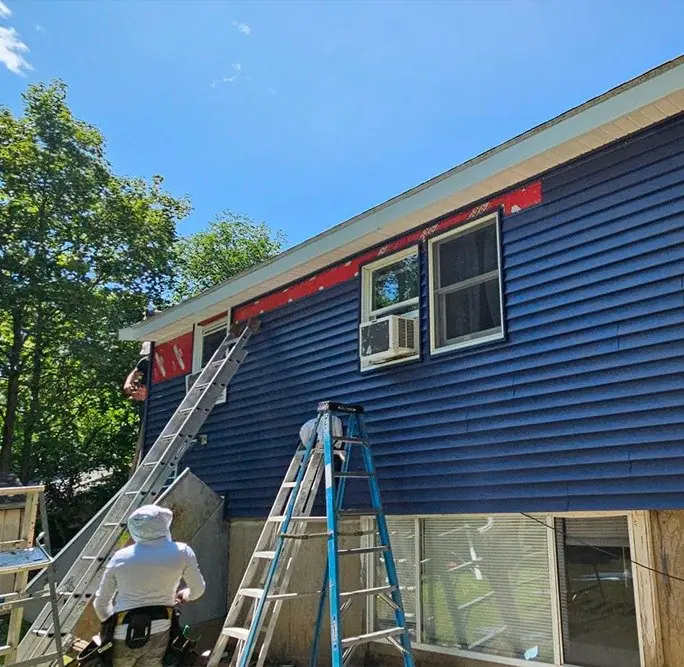
Vinyl is ideal when budget and low maintenance are top priorities. See our vinyl siding installation page for details.
Cedar shingles and clapboards are part of the classic New England look, from Cape Cod to the North Shore. Cedar is naturally resistant to rot and insects, has some insulating value, and can be left to weather to a silver-gray, stained, or painted.
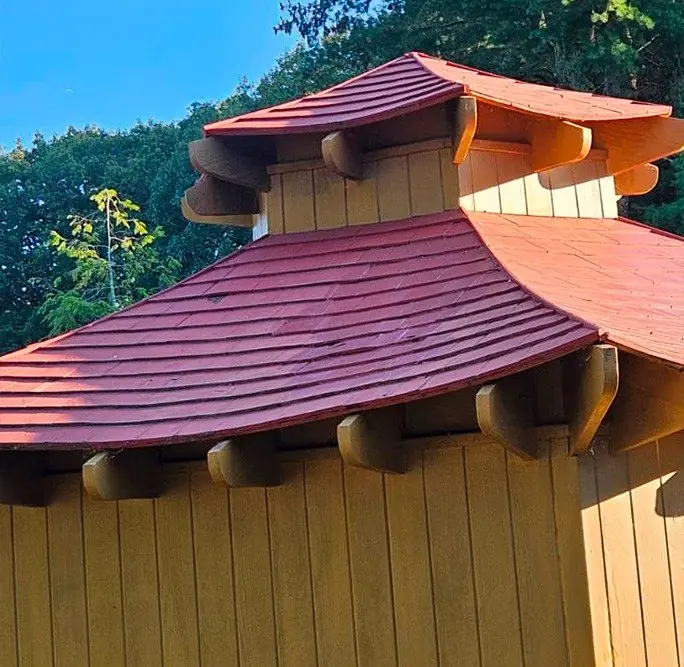
Cedar is the right call when authenticity matters most and you are comfortable with regular maintenance. Learn more about our cedar siding installation.
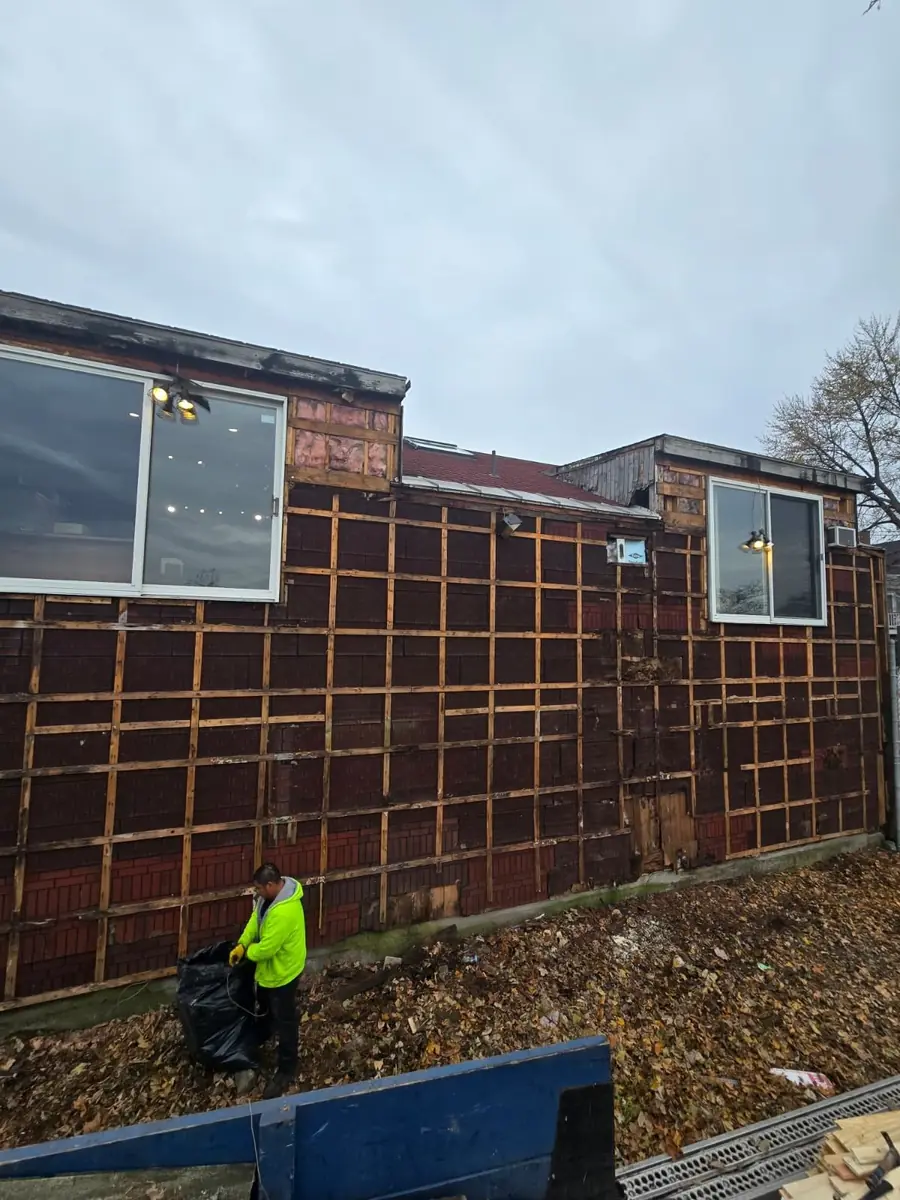
Whatever material you choose, siding is only as good as the work underneath it. Before new siding goes on, a quality installation should include:
| If you want… | Consider |
|---|---|
| The lowest upfront cost and easy care | Vinyl |
| Maximum durability and fire resistance | James Hardie fiber cement |
| A painted-wood look without the upkeep | James Hardie fiber cement |
| Authentic historic character | Cedar |
| Better comfort on a budget | Insulated vinyl |
Many homeowners also combine materials, for example fiber cement or vinyl on the main walls with cedar shingle accents on gables.
Siding is usually priced by the area of wall covered, but several factors can move the price up or down:
| Task | Hardie fiber cement | Vinyl | Cedar |
|---|---|---|---|
| Wash | Every 1–2 years | Every 1–2 years | Gently, as needed |
| Inspect caulking and flashing | Yearly | Yearly | Yearly |
| Repaint or restain | About every 10–15 years | Not needed | Every 3–7 years depending on finish |
| Replace damaged pieces | Rarely | After impacts | As boards or shingles split |
Siding alone does not insulate a home very much, but a siding project is one of the best opportunities to improve comfort. With the old siding off, gaps can be sealed, a proper weather barrier installed, and in some cases rigid foam insulation added to the walls. Insulated vinyl siding also adds a foam backing. Together, these steps reduce drafts and can make a noticeable difference in older Massachusetts homes, especially on windy, exposed walls.
Jere Construction Roofing installs siding of all three types for homes in Lynn and across Greater Boston, including Lynnfield, Wakefield, Stoneham, and Malden. We will walk you through the options for your home, inspect the walls underneath, and provide a free, no-obligation estimate. Planning a full exterior update? We also handle painting, decks, and porches.
Hardie fiber cement is more durable, fire-resistant, and impact-resistant than vinyl, and it looks more like real wood. Vinyl costs less and needs almost no maintenance. The better choice depends on your budget and priorities.
Quality vinyl siding typically lasts 20 to 40 years when installed correctly, with proper fastening and expansion gaps.
Cedar needs more care than vinyl or fiber cement. Stained or painted cedar should be refinished periodically, and water must be kept away from the wood with good flashing and clearances.
Fiber cement such as James Hardie and quality vinyl both handle salt air and wind-driven rain well. Cedar is traditional on coastal homes but requires regular maintenance.
It is usually better to remove old siding so the sheathing can be inspected and repaired, and a proper weather barrier and flashing can be installed.
Jere Construction Roofing is a licensed and insured contractor based at 6 Belle Avenue in Lynn, MA, serving the North Shore and Greater Boston. Call (781) 888-7440 or request a free estimate.